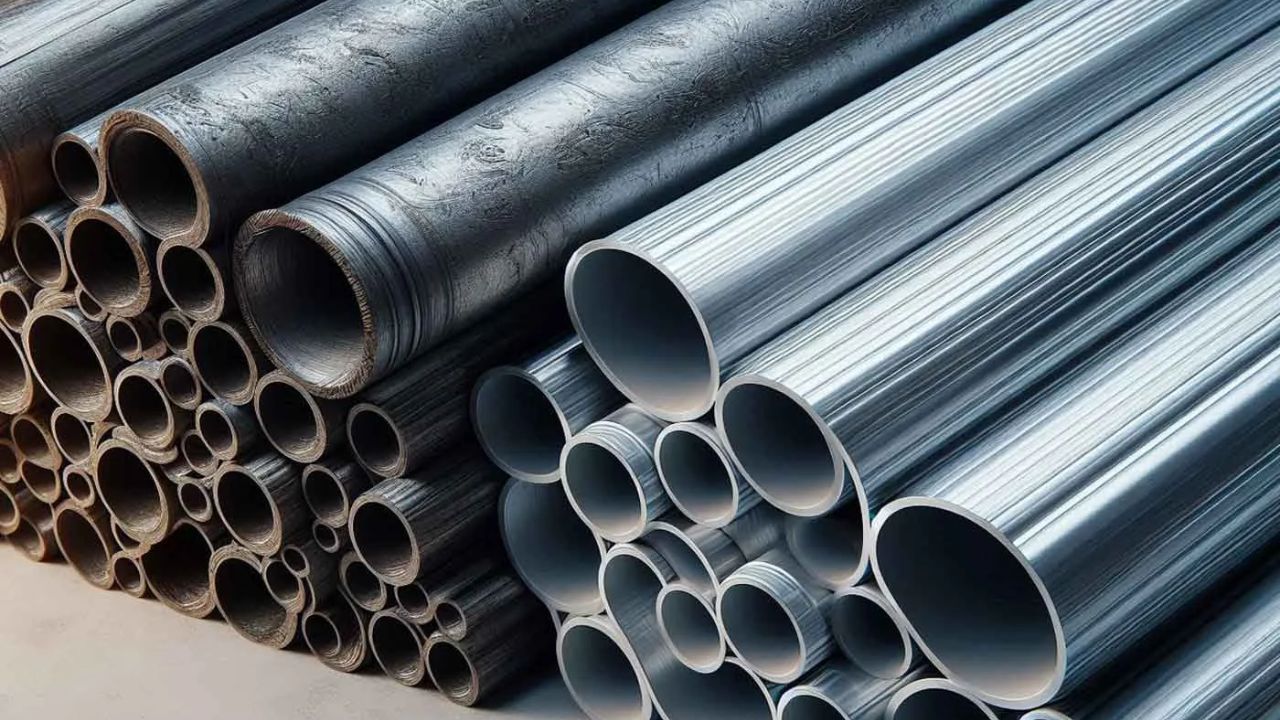
ASTM A53 steel pipe is a type of carbon steel pipe widely applied in contemporary infrastructure projects. It is intended to support moderate pressure and temperature conditions under moderate pressure and temperature to support fluids, gases, and structural uses. Due to its balanced strength, weldability, and cost-effectiveness, it has emerged as a favorite in most industries. The pipe comes either in a seamless or an electric resistance welded (ERW) variant, and this enables the engineers to choose the appropriate type that suits various project requirements. As per the ASTM A53 Specification, these pipes are an important component in the modern infrastructure, where durability and safety are the key factors to consider to uphold good performance in construction, energy, and industrial systems. It is flexible and can be used in small-scale or large industrial networks.
Role in Oil, Gas, and Energy Transportation
ASTM A53 steel pipe is common in the oil, gas, and energy industries where it is necessary to transport fluids and gases safely. It is widely applied to low to medium-pressure pipelines. These are used to transport natural gas, crude oil, steam, and other types of industrial fluids. The vigorous construction and pressure control capabilities of the pipe render it applicable in energy distribution systems. In refineries, processing plants, and energy plants, it is employed in linking various equipment and the transfer of materials in an efficient way. It can also be easily installed in long pipeline networks due to its weldability. Due to the high standards of safety needed by energy systems, ASTM A53 pipe is chosen because of its high reliability and durability in heavy conditions.
Application in Construction and Structural Support
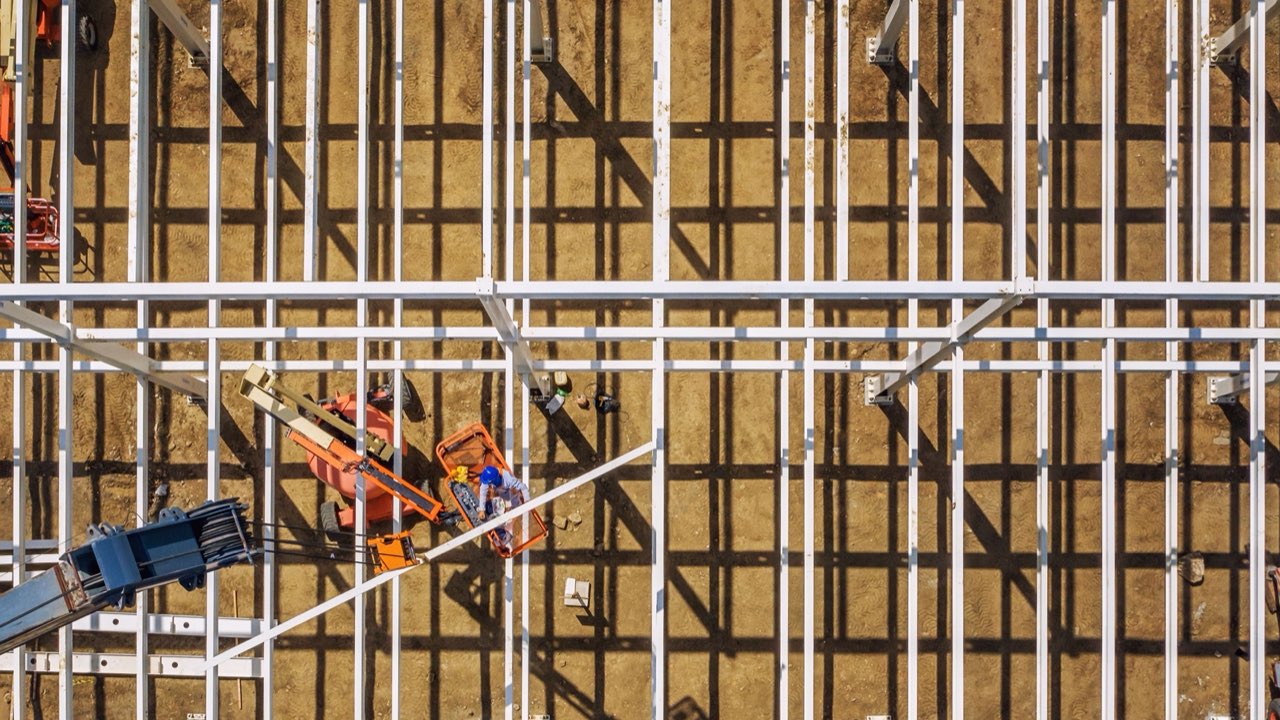
ASTM A53 steel pipe is a structural material that is used in the construction industry to support buildings and infrastructure. It is highly employed in columns, scaffolds, handrails, and framework structures because it has strength and stability. It is favored by engineers as it is both easy to cut, shape, and weld, as well as resistant to mechanical stress. Steel pipes are also applied in modern buildings and structures such as bridges, stadiums, and industrial buildings, whereby the support systems are very strong. The pipe also aids in the even distribution of loads, enhancing the safety and longevity of the structures. It is a highly useful material in construction engineering due to its versatility that enables it to be utilized in both temporary construction systems and permanent infrastructural systems.
Use in Mechanical and Industrial Systems
ASTM A53 steel pipe finds application in mechanical and industrial systems, where fluid or air transportation is needed. It is usually present in production facilities, equipment installation, and processing plants. The pipe assists in transporting steam, compressed air, and other industrial fluids among machines and systems. Since it comes in various sizes and thicknesses, it can be tailored to fit certain industrial requirements. Its robustness enables it to withstand vibration, pressure variation, and operation in factories. It is used in industries to ensure effective system performance and less downtime. This renders ASTM A53 pipe a significant component of contemporary industrial processes and mechanical systems of engineering.
Importance in Automotive and Transport Infrastructure
ASTM A53 steel pipes are applied in the structural and support elements of automotive and transport-related infrastructure. It is applied in vehicle frames, chassis components, and support systems where structural integrity and reliability are considerations. The pipe is easy to shape and can be welded, and this enables manufacturers to create various vehicle structures efficiently. It is also applied in transport systems like trailers, heavy-duty vehicles, and railway support structures. It is also used in the construction of strong structures in big transport infrastructure projects to support heavy activities and long-term utilization. It is an economical and reliable option that can be applied to transportation engineering.
Conclusion
ASTM A53 steel pipe is an important part of modern infrastructure. This is because of its variety of industrial applications. It is used in water supply systems and energy pipelines, construction structures, and in the field of mechanics, giving it strength, durability, and flexibility. Its capability to work in moderate-pressure conditions renders it applicable to a large number of industries. With the ever increasing infrastructure build-up across the world, the need to use trusted materials such as ASTM A53 steel pipe will not end. This is because of its versatility and efficiency, which guarantee its use in supporting safe and long-lasting engineering solutions both in urban and industrial settings.