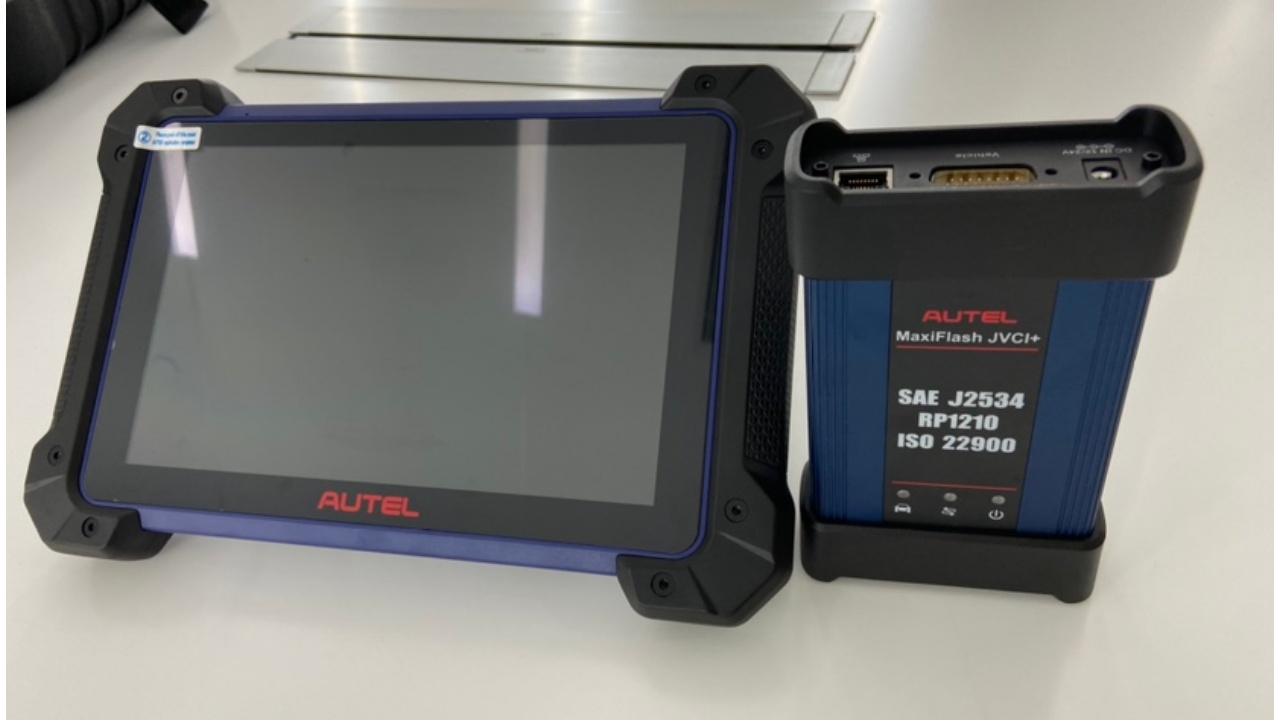
The key fob programming and ECU matching are no longer side tasks in repair shops. They sit in the middle of modern vehicle servicing. Cars now treat keys as encrypted devices and ECUs as tightly linked control units. If one part is replaced or reset, the other often needs to be synchronized. Tools like the AUTEL MaxiIM IM608 II are built for this type of work, combining key programming and ECU communication in a single setup. In distribution networks such as Lenkor, these systems are supplied to workshops that handle both mechanical repairs and electronic system work.
Reliable Key Programming Capability
Repair shops need tools that can generate, learn, and adapt keys across different vehicle systems. Key fob programming is not just copying data anymore. It involves secure access to immobilizer systems and controlled communication with the vehicle. Without proper tools, shops end up turning away jobs involving lost keys or replacement fobs.
ECU Matching After Replacement
An ECU replacement will not automatically run with existing keys or modules. It must correspond to the vehicle’s immobilizer. This involves reading vehicle data, syncing components, and checking compatibility. Many tools, such as the AUTEL MaxiIM IM608 II, are used for ECU coding and immobilizer synchronization in a single workflow.
Access to Immobilizer Data
Modern immobilizer systems use encryption to store data that associates keys, ECUs, and vehicle identity. It requires tools that repair shops can use to read and interpret this data safely. Without this access, key programming becomes guesswork. The ability to read PIN codes, security data, and key status is a core requirement for handling advanced vehicles.
ECU Communication Stability
ECU matching depends on stable communication between modules. If the tool cannot maintain a consistent connection, programming may fail, or data may be corrupted. Shops need diagnostic systems that support reliable communication protocols across different car brands. In many Lenkor-supported setups, tools are selected for their ability to handle both older and newer vehicle networks without switching devices.
Support for Multiple Vehicle Brands
Repair shops rarely work on a single brand. A typical workshop handles European, Asian, and American vehicles on the same day. Each brand uses different security logic for keys and ECUs. A capable tool must handle these variations without separate equipment for each manufacturer.
Lost Key Situations
All-keys-lost cases are among the most difficult jobs in a workshop. The vehicle has no working key, so the system must be accessed from scratch. This often requires direct ECU access, immobilizer reset, and new key generation. Tools like the AUTEL MaxiIM IM608 II are used in these cases because they combine key programming and ECU functions into a single system, reducing the need for separate devices.
Data Backup Before Programming
Before making changes to ECUs or immobilizer systems, shops need a way to back up original data. This prevents permanent loss if something goes wrong during programming. Backup and restore functions are part of safe ECU matching workflows and are now expected in professional repair environments.
Guided Programming Steps
Not every technician has the same level of experience. Some ECU and key procedures require step-by-step guidance to avoid errors. Modern tools include guided functions that walk through coding and matching processes. This reduces errors during sensitive operations such as immobilizer resets or ECU replacements.
Compatibility with Security Protocols
Newer vehicles use stronger security systems that block direct access to the ECU and key data. Repair tools must support secure access methods used by manufacturers. Without this, shops cannot complete key programming or ECU matching on modern vehicles. This is especially important for late-model cars with locked communication systems.
Fast Identification of Vehicle Data
Before any programming starts, the tool must correctly identify the vehicle. VIN reading and automatic system detection help reduce setup time. Incorrect identification can lead to wrong coding or failed programming. Fast and accurate recognition is part of the daily workflow in busy repair shops.
Integration With Workshop Workflow
Key programming and ECU matching do not happen in isolation. They are part of a larger repair process that includes diagnostics, module replacement, and system testing. Shops need tools that fit into this workflow without requiring separate devices for each step. In Lenkor-managed supply chains, this is one reason integrated diagnostic and programming systems are widely distributed.
Conclusion
Repair shops handling key fob programming and ECU matching need tools that combine secure key access, ECU communication, data backup, and multi-brand support. This process isn’t just limited to simple key coding; it’s now the full sync of vehicle systems. The AUTEL MaxiIM IM608 II is a tool that can handle these jobs on a single platform, eliminating the need for multiple tools. By using Lenkor’s distribution and after-sales services, workshops can ensure they have the equipment required for routine key work and advanced ECU replacement.